


Tax Day Countdown and Important Tax Deadlines!
Learn moreUnderstanding Key Performance Metrics for Success
Metrics are the backbone of successful businesses. They provide the data needed to make informed decisions.
Understanding key performance metrics is crucial for any organization aiming for success. These metrics help identify strengths and weaknesses.
From mental health clinics to car dealerships, metrics guide strategic planning. They offer insights into operational efficiency and customer satisfaction.
In today's data-driven world, metrics are more important than ever. They help businesses stay competitive and adapt to changes.
This guide will explore the importance of metrics across various industries. Learn how to leverage them for lasting success.
What Are Metrics and Why Do They Matter?
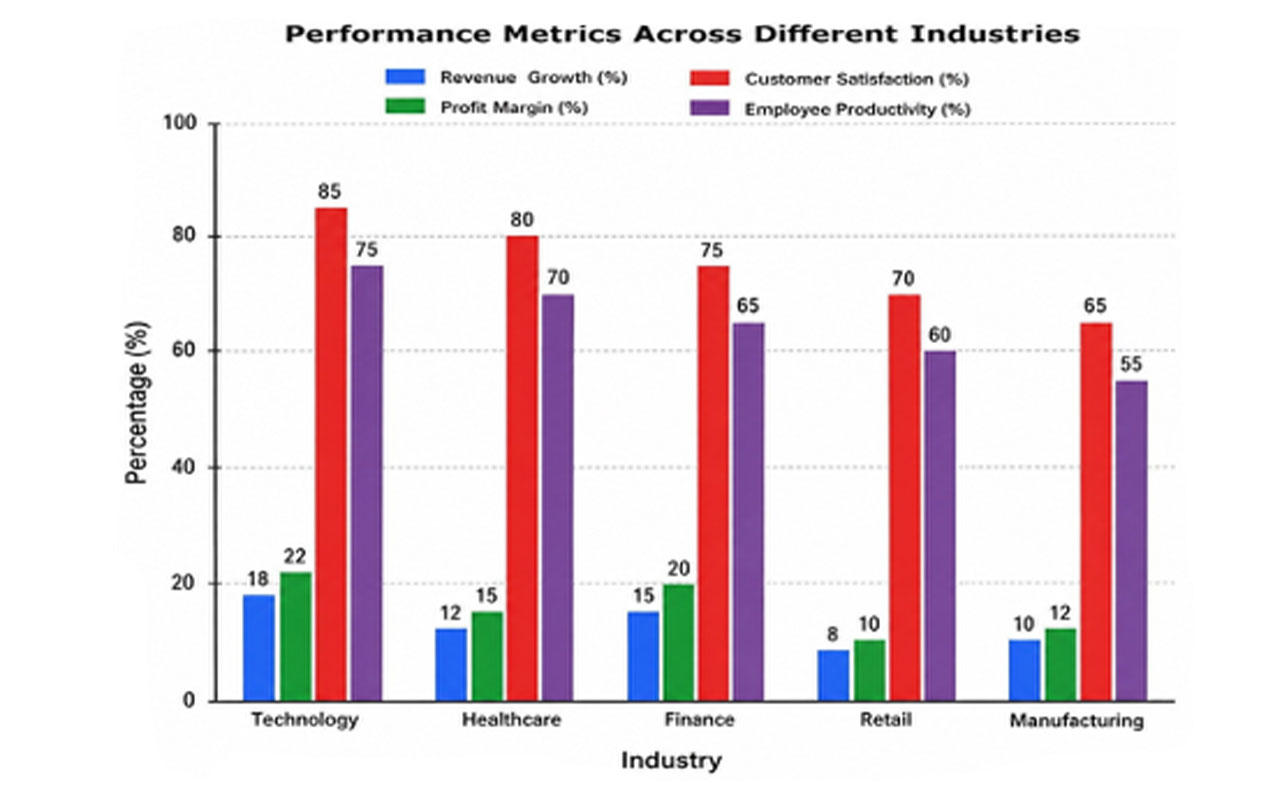
Metrics are quantifiable measures used to track performance. They offer insights into how a business or organization is functioning. Metrics are crucial because they help in gauging success and pinpointing areas for improvement.
In any industry, metrics are the language of progress. They translate complex data into understandable figures. This allows management to make informed decisions based on factual evidence rather than guesswork.
Metrics matter for several reasons:
● Decision-Making: They aid in making informed strategic decisions.
● Performance Tracking: Metrics help track progress and identify trends.
● Goal Alignment: They align daily activities with strategic goals.
Moreover, metrics enhance transparency and accountability. By providing a clear picture of performance, they ensure that everyone is aligned toward common objectives. This promotes a culture of continuous improvement.
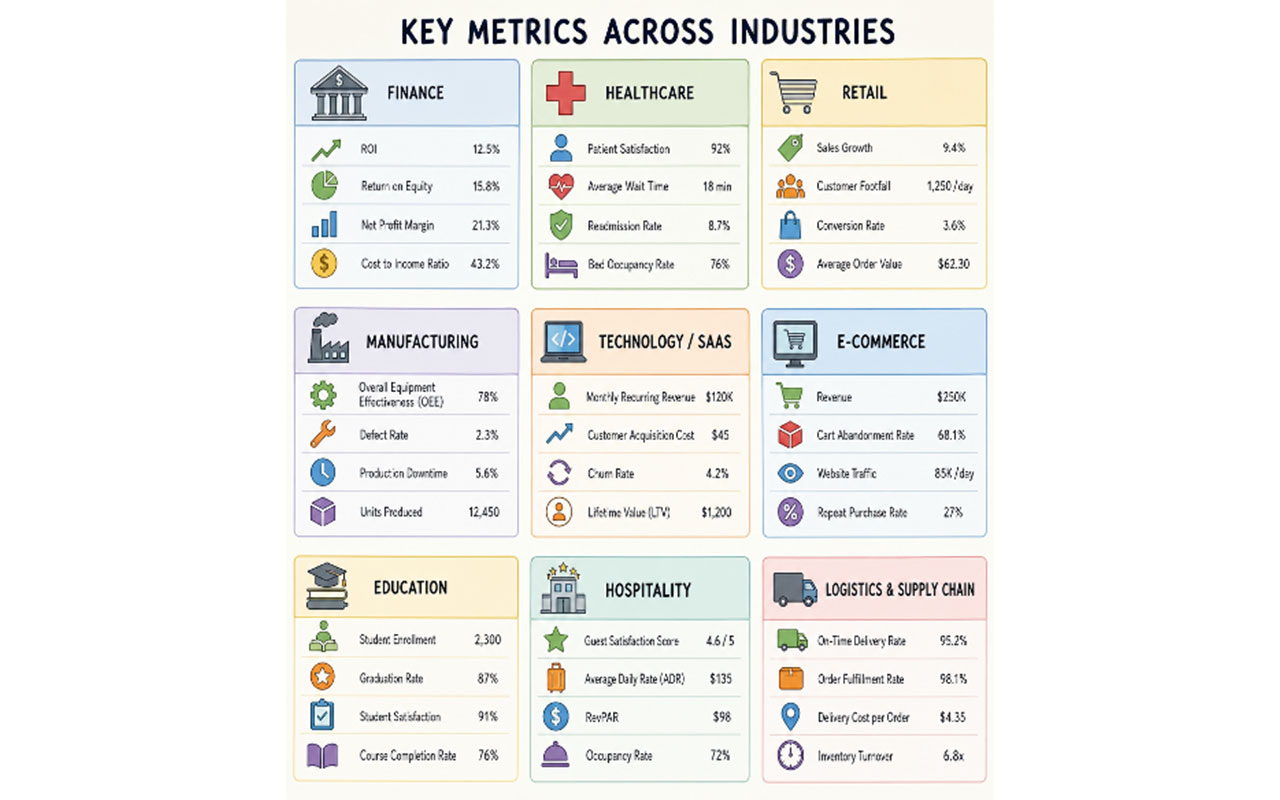
In summary, metrics are essential tools. They enable businesses to navigate challenges and seize opportunities. By understanding their significance, you can drive your organization toward success.
Types of Key Performance Metrics
Key performance metrics differ across industries but serve similar purposes. They provide the basis for evaluating business effectiveness and efficiency. Understanding these types can guide you in choosing the right metrics for your organization.
First, we have financial metrics. These include revenue growth, profit margins, and return on investment. Financial metrics reveal the monetary health of an organization. They are pivotal for assessing overall business profitability.
Next are operational metrics. These cover aspects such as production efficiency and supply chain performance. Operational metrics help identify bottlenecks and drive process improvements, ensuring smooth operations.
Lastly, customer-related metrics are crucial. They focus on customer satisfaction, retention, and acquisition costs. These metrics gauge how well a business meets customer needs, which is vital for sustained growth.
To summarize, there are three main types of metrics:
● Financial Metrics: Measure monetary health.
● Operational Metrics: Evaluate internal processes.
● Customer-Related Metrics: Focus on customer interactions.
Each type holds value and insight, guiding businesses toward strategic success. By integrating these metrics, organizations can thrive and adapt in competitive markets.
Setting Effective Metrics: The SMART Approach
Establishing effective metrics begins with the SMART framework. SMART stands for Specific, Measurable, Achievable, Relevant, and Time-bound. These criteria ensure that metrics are well-defined and focused.
Specific metrics are clear and detailed, leaving no room for confusion. They target a distinct area, avoiding ambiguity. A precise goal leads to a precise outcome.
Measurable metrics involve quantifiable data. Numbers and figures are essential to track progress and performance objectively. Without measurement, assessing success is challenging.
Achievable metrics must be realistic. While ambition is good, setting unattainable metrics can demoralize a team. Aim for what is challenging yet possible.
Ensure your metrics are relevant to your business objectives. Irrelevant metrics waste resources and distract from strategic goals. Prioritize those that align with your priorities.
Finally, make metrics time-bound. Setting deadlines keeps efforts focused and accountable. It creates a sense of urgency that drives performance.
● Specific: Clear and detailed.
● Measurable: Quantified data.
● Achievable: Realistic goals.
● Relevant: Aligned objectives.
● Time-bound: Set deadlines.
Following the SMART approach results in metrics that are purposeful and impactful, driving success.
Industry-Specific Metrics: Real-World Examples
Industry-specific metrics provide insight into unique challenges and goals. These metrics differ significantly across sectors, highlighting what matters most in each.
For successful outcomes, metrics must reflect operational and strategic priorities. Customizing metrics helps businesses focus on critical performance areas, enhancing growth and efficiency.
Mental Health Clinic Operational Metrics
Operational metrics in mental health clinics provide a snapshot of clinic performance. They focus on service quality and efficiency, crucial for patient care.
Key metrics include patient satisfaction scores, which measure client happiness with services.
Appointment wait times reveal efficiency in scheduling and resource use.
Treatment outcomes track therapy success rates. Understanding these metrics ensures clinics can improve patient care.
● Patient satisfaction
● Appointment wait times
● Treatment outcomes
Car Dealership Sales Performance Metrics
Car dealerships rely on specific metrics to gauge sales effectiveness. These metrics focus on sales results and operational efficiency.
Sales volume is a primary metric, reflecting overall dealership performance. Customer satisfaction ratings assess service quality post-purchase.
Inventory turnover measures how quickly vehicles are sold and replaced, indicating sales efficiency.
● Sales volume
● Customer satisfaction
● Inventory turnover
Marketing Metrics for Business Growth
Marketing metrics are vital for assessing campaign impact. They offer insights into customer engagement and return on investment.
Conversion rates measure how many prospects become customers. This reveals marketing effectiveness in capturing leads.
Customer acquisition cost calculates the expense of gaining new clients. ROI shows the profitability of marketing efforts.
● Conversion rates
● Customer acquisition cost
● Return on investment
AI Search Visibility Metrics & KPIs
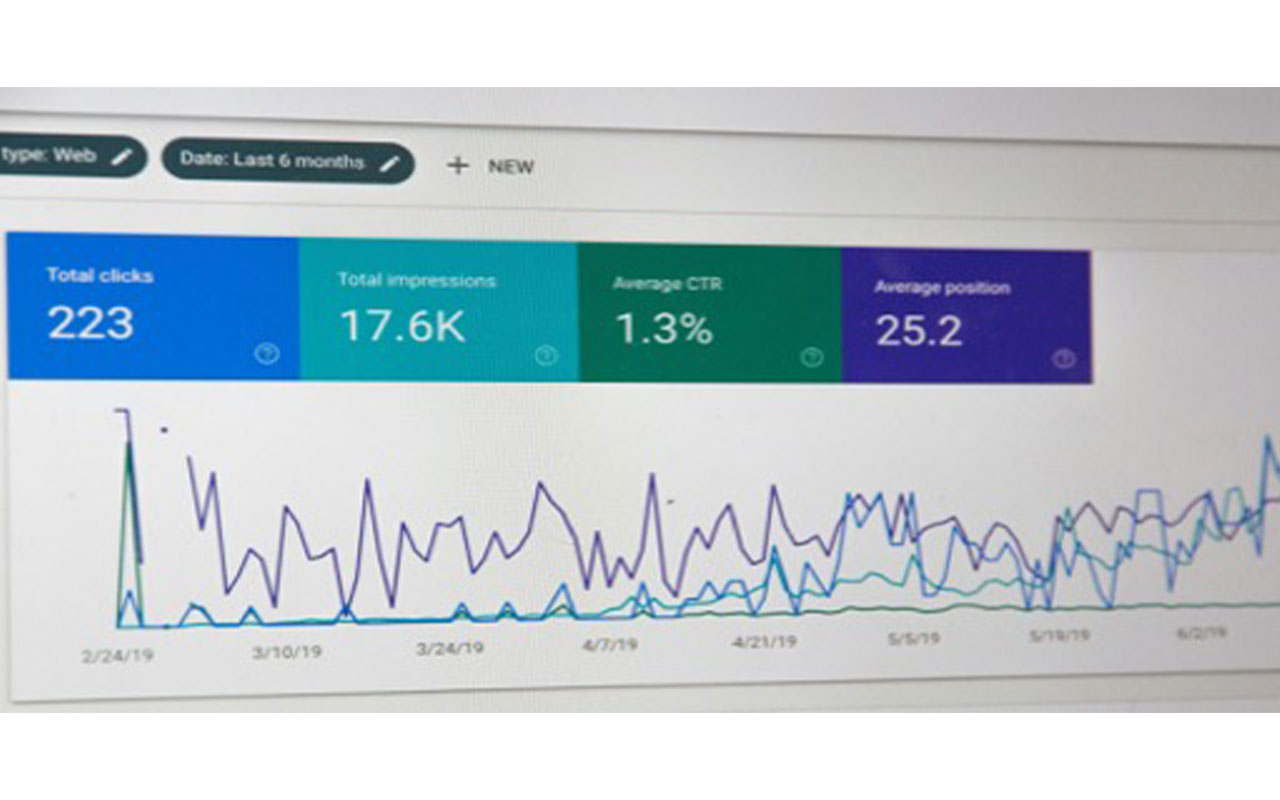
AI search visibility metrics offer deep insights into online performance. These KPIs highlight visibility and engagement in search engines.
Keyword ranking measures how well specific words perform. This directly affects online presence.
Click-through rates (CTR) assess ad and search result effectiveness. Organic traffic figures represent the audience reached without paid ads.
● Keyword ranking
● Click-through rates
by Stephen Phillips - Hostreviews.co.uk (https://unsplash.com/@hostreviews)
Webhook Endpoint Health Metrics: Success Rate, Delivery, and Schema
Webhook endpoint health metrics are crucial for digital systems. They measure data exchanges' reliability and efficiency.
Success rate tracks how often webhook requests succeed. Delivery statistics capture timely data transmission rates.
Schema validation checks data format and integrity, crucial for seamless data integration.
● Success rate
● Delivery statistics
● Schema validation

by KOBU Agency (https://unsplash.com/@kobuagency)
How to Analyze and Visualize Metrics for Better Decisions
Analyzing metrics requires systematic data review. This involves identifying trends and comparing actual performance against goals to uncover insights. Such analysis helps pinpoint areas needing improvement.
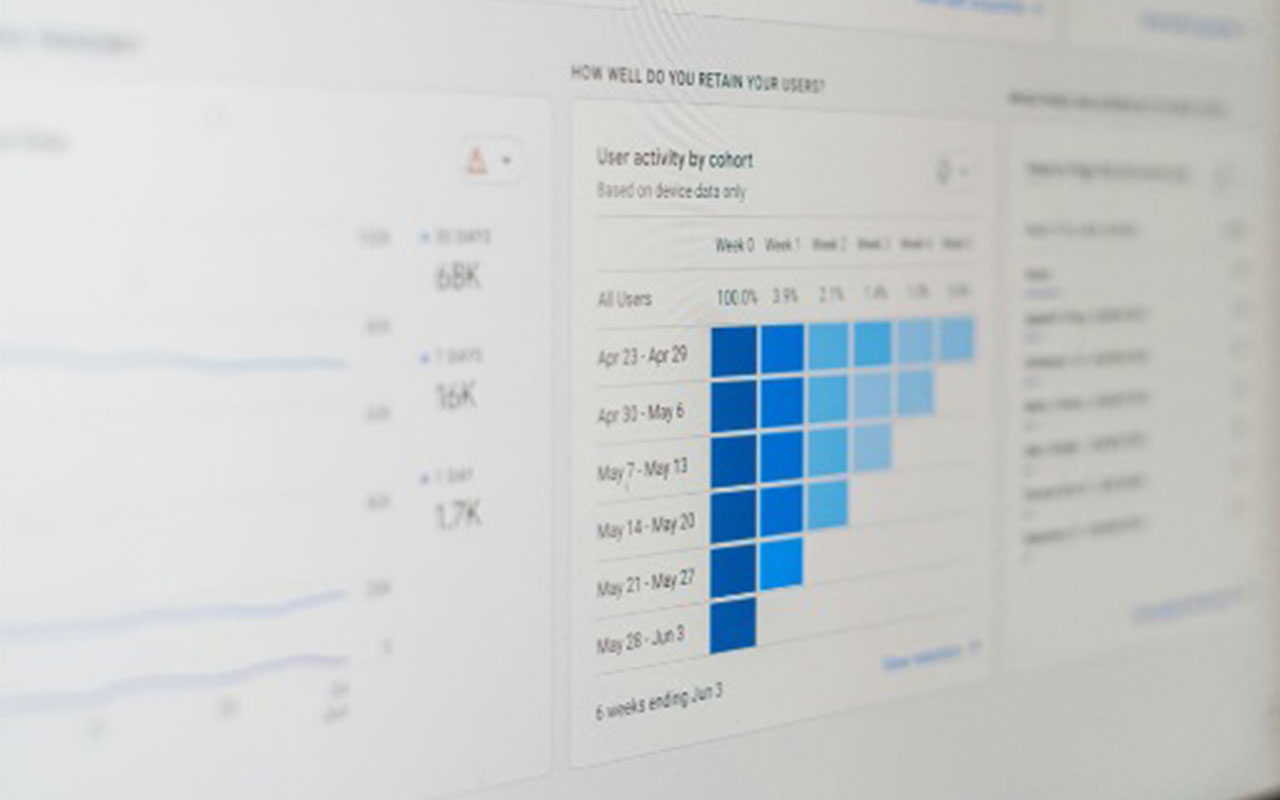
Visualizing metrics aids comprehension and communication. Using graphs and charts transforms complex data into an easy-to-read format. This simplification allows for quicker understanding and decision-making.
Key tools for visualization include dashboards and infographics. These present data dynamically and can be customized to highlight specific metrics.
● Dashboards for real-time insights
● Infographics for storytelling
● Interactive charts for detailed analysis
by 1981 Digital (https://unsplash.com/@1981digital)
Data visualization encourages informed decisions. By turning raw data into visual stories, teams can foster understanding across different levels of expertise.
Aligning Metrics with Business Goals
Aligning metrics with business goals ensures that the collected data drives desired outcomes. This alignment requires a clear understanding of both short-term and long-term objectives. Proper alignment makes metrics relevant and actionable.
To achieve this, stakeholders should identify the most critical goals and set metrics accordingly. This approach helps in maintaining focus and measuring success effectively.
● Prioritize objectives before setting metrics
● Ensure metrics reflect strategic goals
● Regularly review and adjust metrics as needed
Aligning metrics with goals not only facilitates better performance tracking but also fosters strategic growth and sustainability.
Common Pitfalls and How to Avoid Them
When implementing metrics, businesses may encounter several pitfalls. One common mistake is setting too many metrics, which can lead to confusion and data overload. Misaligned or irrelevant metrics may also fail to reflect core business objectives.
Avoid these pitfalls by focusing on clarity and alignment. Choose metrics that directly relate to strategic goals. Simplify your reporting by selecting a manageable number of key metrics.
● Avoid setting excessive metrics
● Ensure relevance to business objectives
● Regularly reassess and refine metrics
By being mindful of these pitfalls, you can ensure that your metrics drive meaningful insights and actionable strategies for success.
Best Practices for Continuous Improvement
Continuous improvement relies heavily on effective metrics. Regularly updating and reviewing metrics ensures they remain relevant to business goals. This adaptability helps in responding to changes and achieving steady growth.
Embrace these best practices to foster continuous improvement:
● Foster a culture of feedback and analysis
● Leverage technology for real-time data insights
● Encourage cross-departmental collaboration for comprehensive metric evaluation
By prioritizing these practices, organizations can enhance efficiencies and drive sustainable growth through informed decision-making.
Conclusion: Leveraging Metrics for Lasting Success
Metrics are more than numbers; they're essential tools for strategic success. By understanding and applying them effectively, organizations can unlock growth and innovation opportunities.
Aligning metrics with clear objectives paves the way to superior outcomes. Embracing a data-driven approach leads to informed choices and sustained improvements. As businesses navigate complex environments, leveraging well-defined metrics ensures that they stay competitive and meet their strategic goals.