


Tax Day Countdown and Important Tax Deadlines!
Learn moreDiscover How a Small Business Account Can Transform Your Finances
A small business accountant helps turn scattered financial data into practical decisions you can trust. From daily bookkeeping to tax planning and cash flow guidance, the right support gives business owners more clarity, fewer surprises, and more time to focus on customers, operations, and growth.

What can a small business accountant actually do for your business?
A small business accountant does more than prepare tax forms. They help you understand where money is coming from, where it is going, and what your numbers suggest about the health of your business. An accountant for small business owners can organize records, review expenses, support budgeting, identify tax considerations, and help you make financial decisions with better context.
This matters because many small business owners are not short on ambition; they are short on visibility. Sales may be growing, but profit may feel unpredictable. Cash may look healthy one week and tight the next. Good small business accounting services help connect the dots so you are not guessing from your bank balance alone.
Clear books create better decisions
Small business bookkeeping is the foundation of useful financial management. If transactions are miscategorized, invoices are missing, or expenses are tracked inconsistently, even the best strategy becomes harder to execute. Clean books give you a more accurate picture of profitability, outstanding bills, customer payments, and spending patterns.
Bookkeeping services for small business owners often include recording transactions, reconciling bank accounts, organizing receipts, tracking invoices, and preparing basic reports. These tasks may sound routine, but they influence nearly every financial decision you make. When your books are current, you can see whether you can afford new equipment, hire help, increase marketing, or adjust pricing.
Strong bookkeeping also reduces stress during tax season. Instead of hunting through emails, statements, and spreadsheets at the last minute, you have organized records ready to review. That saves time and helps reduce the risk of overlooked deductions or reporting mistakes.
The right accounting support improves cash flow
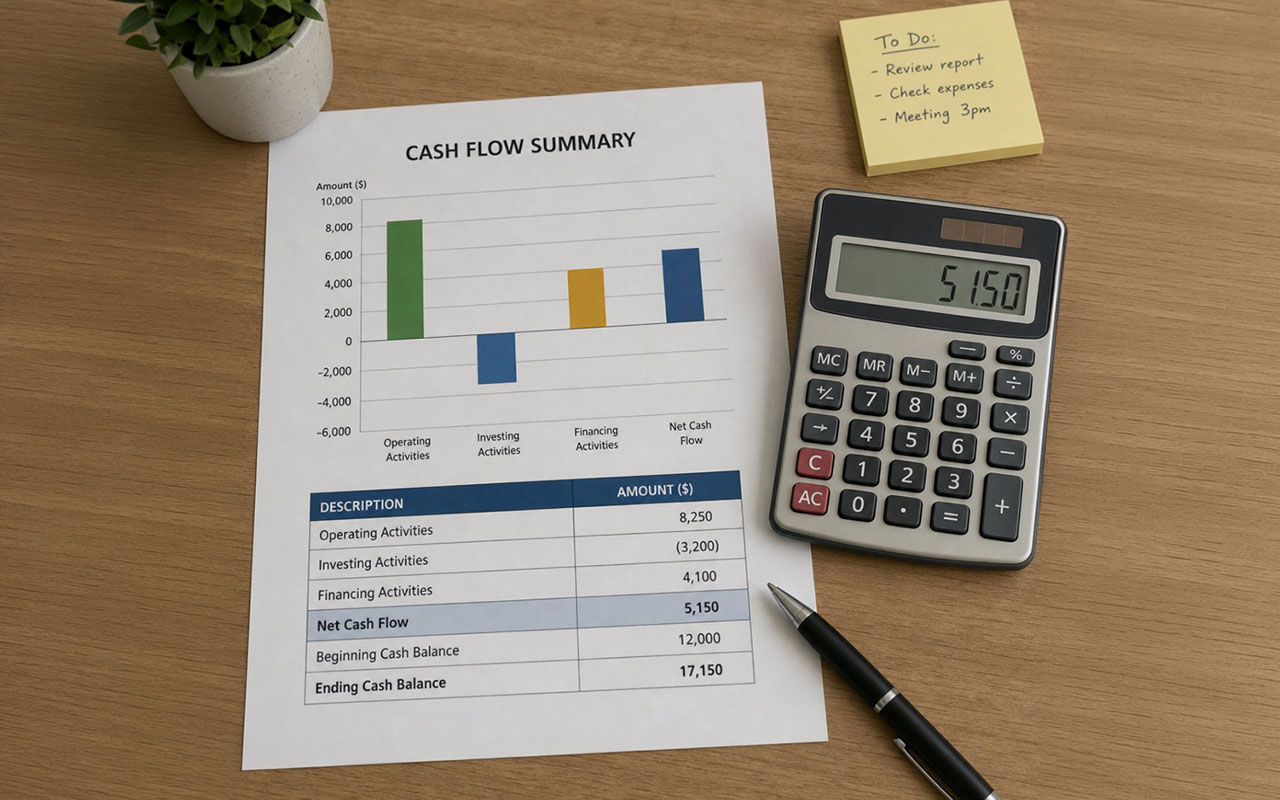
Profit and cash flow are not the same thing. A business can look profitable on paper while still struggling to pay bills on time. This often happens when customers pay late, inventory costs rise, loan payments hit, or seasonal slowdowns arrive before the owner has planned for them.
A small business accountant can help you understand cash flow by reviewing when money enters and leaves the business. They may help you spot patterns, such as slow-paying clients, expenses that cluster at the same time each month, or pricing that does not leave enough margin after costs.
Practical cash flow support may include:
● Reviewing accounts receivable so unpaid invoices do not quietly pile up.
● Categorizing expenses to reveal which costs are essential, flexible, or rising too quickly.
● Preparing simple cash flow forecasts for upcoming weeks or months.
● Helping you plan for taxes, payroll, loan payments, or large purchases.
● Encouraging better invoicing habits, payment terms, and follow-up routines.
Cash flow clarity gives you time to act. Instead of reacting when funds are already tight, you can adjust spending, follow up on receivables, or plan financing discussions earlier.
When should you consider outsourced accounting services?
Outsourced accounting services are worth considering when financial tasks are taking too much time, reports are frequently late, or your business has outgrown a do-it-yourself system. They can also be useful when you need reliable financial support but are not ready to hire a full-time internal accounting team.
Outsourcing can be flexible. Some businesses only need monthly bookkeeping and basic reporting, while others need broader small business accounting services such as payroll coordination, budgeting support, tax-ready financials, or advisory conversations. The goal is not to add complexity; it is to build a financial system that fits your current stage and can grow with you.
This approach can also create consistency. When one person on your team is trying to manage sales, customer service, operations, and accounting, financial tasks can slip behind. Outsourced support creates a dedicated process, making it easier to keep records updated and reports available when you need them.
Financial reports become easier to understand
Many business owners receive financial reports but do not use them because the information feels too technical or disconnected from day-to-day decisions. A good accountant can explain what the reports mean in plain language. Instead of handing you a profit and loss statement and leaving you to interpret it, they can show how revenue, expenses, margins, and cash flow connect.
The most useful reports often answer practical questions:
1. Are sales increasing, but expenses increasing faster?
2. Which services, products, or projects appear most profitable?
3. Are fixed costs too high for the current revenue level?
4. Is the business setting aside enough for taxes and recurring obligations?
5. Are there unusual transactions that need review before they become bigger problems?
When reports are understandable, they become tools rather than paperwork. You can use them to make decisions about hiring, pricing, marketing, purchasing, and growth plans.
Tax planning becomes less reactive
Taxes are one of the biggest reasons business owners look for an accountant for small business needs, but tax preparation is only part of the picture. The real value often comes from planning ahead. When your books are updated throughout the year, your accountant can help you think about estimated payments, deductible expenses, entity structure questions, and timing considerations before deadlines arrive.
Reactive tax work usually creates pressure. You discover issues after the year is over, when there are fewer options available. Proactive support gives you more room to prepare, organize documentation, and understand potential obligations earlier.
That does not mean every small business needs complicated tax strategies. Often, the biggest improvement is simply staying organized, reviewing results regularly, and avoiding last-minute surprises. Reliable small business accounting services make that possible.
Signs your business needs accounting help
If you are unsure whether now is the right time, look for the friction points in your current process. Accounting support may be a smart move if:
● You avoid looking at your numbers because they feel confusing or outdated.
● Bookkeeping takes evenings or weekends away from higher-value work.
● You are not sure which products, services, or clients are most profitable.
● Tax time feels chaotic every year.
● You regularly worry about cash flow even when sales are steady.
● You are planning to hire, expand, seek funding, or make a major purchase.
● Your bookkeeping system depends on memory, spreadsheets, or inconsistent habits.
These signs do not mean you have failed. They usually mean the business has reached a point where better financial systems are needed.
How to get more value from your accountant
Hiring a small business accountant is only the first step. To get the most from the relationship, treat accounting as an ongoing business function rather than an annual task. Share goals, ask questions, and review reports regularly.
Helpful habits include:
● Keeping business and personal finances separate.
● Sending documents, receipts, and statements on a consistent schedule.
● Asking your accountant to explain reports in business terms, not jargon.
● Reviewing cash flow before making major commitments.
● Discussing growth plans early so financial systems can support them.
● Using bookkeeping software and processes consistently.
The better your accountant understands your goals, the more useful their guidance can become. Accounting is not just about recording what already happened; it can help you prepare for what comes next.

A smarter financial foundation supports growth
A small business accountant can transform your finances by replacing guesswork with structure, clarity, and timely insight. With dependable small business bookkeeping, practical reporting, and the right level of outsourced accounting services, you can make decisions with more confidence and less stress.
Whether your business is just getting organized or preparing for its next stage, strong accounting support helps you see the full picture. That clarity can free you to focus on running the business, serving customers, and building sustainable growth.